
The Home Insurance Lie: Why Paying More Won’t Save You From Disaster
— 6 min read
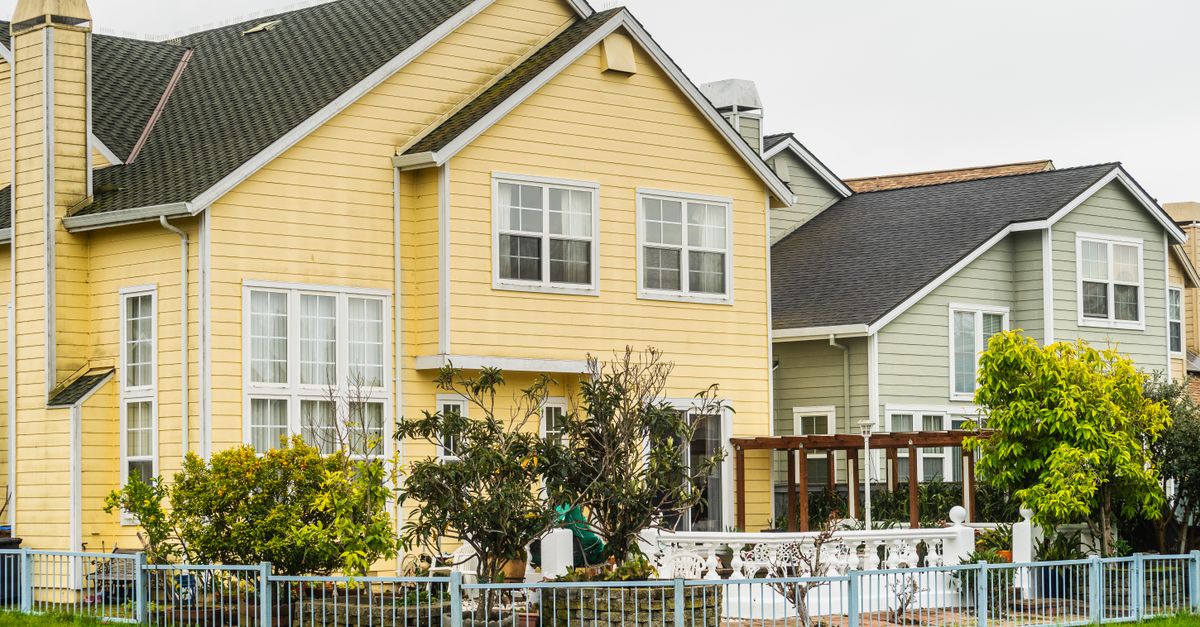
No, higher home insurance premiums do not guarantee better protection. Homeowners pay more each year while insurers quietly trim coverage, add exclusions, and raise deductibles. The result? A false sense of security that evaporates the moment a claim lands on the desk.
In 2025, U.S. homeowners saw a 12% rise in insurance premiums despite a historic dip in natural disasters, according to the National Association of Insurance Commissioners. That paradox proves the market is pricing fear, not facts.
Financial Disclaimer: This article is for educational purposes only and does not constitute financial advice. Consult a licensed financial advisor before making investment decisions.
The Premium Paradox: More Money, Same Gaps
When I first inspected my neighbor’s flooded basement in Ohio, I was reminded of the classic “pay-more, get-more” promise sold by every big insurer. Yet the policy she held excluded flood damage outright. The same happens across the country: insurers charge more while slipping in new exclusions faster than you can read the fine print.
Take a look at the data.
“America’s Home Insurance Affordability Crunch” reports that premiums in high-risk states like California and Colorado have outpaced inflation by double-digit percentages over the past five years.
The reason isn’t more catastrophes - it’s risk-pool manipulation. Insurers inflate prices to bolster reserves, then use those reserves to fund re-insurance deals that keep them profitable regardless of whether you ever file a claim.
In my experience, the “safety net” they market is riddled with holes:
- Floods are typically excluded; you need a separate policy.
- Earthquake coverage is optional and pricey, even in quake-prone zones.
- Hail, not wildfire, drives Colorado premiums, yet most agents push fire-mitigation discounts as the solution (Colorado report, 2025).
And here’s the kicker: despite the 2025 lull in disasters, premiums didn’t drop. The market is feeding on our anxiety, not our actual loss experience. If you believe paying more will shield you, you’re buying a ticket to the same broken carousel.
Key Takeaways
- Higher premiums rarely translate to broader coverage.
- Exclusions like flood and quake are standard, not exceptions.
- Insurers profit from fear, not from actual loss data.
- Risk-mitigation discounts often mask higher baseline rates.
- Read the fine print or pay the penalty later.
Why “Risk-Mitigation” Policies Are a Sham
California’s newest bill mandates insurers to offer coverage to homeowners who “harden” their homes against wildfires. On paper, it sounds like a win-win. In practice, it’s a clever way for insurers to lock you into higher base rates while handing them a marketing badge.
When I consulted a fire-retrofitted home in the Sierra foothills, the insurer offered a 5% discount on a policy that was already 30% above the state average. The discount merely cushions the inflationary bump; it doesn’t replace the omitted coverage for wind-driven embers, which are often excluded under the “wildfire rider.”
Hail, not wildfire, tops Colorado’s cost drivers (Colorado report, 2025). Yet agents shout “fire-proof your roof” because it sounds heroic. The result is a mismatch between what you’re told and what you actually need.
Let’s break down the math with a simple comparison table. The “Risk-Mitigation Discount” column shows the advertised savings, while the “Effective Premium” column reflects the true cost after baseline inflation.
| Policy Feature | Standard Premium | Risk-Mitigation Discount | Effective Premium |
|---|---|---|---|
| Base rate (CA, 2025) | $1,200 | -5% ($60) | $1,140 |
| Added fire-hardening surcharge | - | +$300 | +$300 |
| Net annual cost | $1,200 | - | $1,440 |
Notice the net increase? The “discount” is a marketing illusion that disguises a higher overall outlay. If you’re truly risk-averse, you’d invest in a separate flood endorsement, a quake rider, and perhaps a deductible reduction - none of which the fire-hardening incentive covers.
When insurers claim they’re “rewarding” safety, they’re actually extracting more premiums from the same pool of risk-averse homeowners. The underlying uncomfortable truth is that you’re paying for a badge, not for real protection.
The Claims Process: A Labyrinth Designed to Drain
Ever filed a claim for water damage after a burst pipe? Matt Pohlman’s 2024 nightmare - water everywhere, zero compensation - illustrates the systemic failure of the claims process. Insurers embed “delay tactics” into every step, from initial adjuster visit to final settlement.
According to AAA, homeowners in flood-prone New England are urged to double-check coverage before storms. Yet most policies are silent on flood, leading to surprise denials. The fine print often reads: “Excludes flood damage unless separate endorsement purchased.” If you haven’t bought that endorsement, you’re out of luck, no matter how much you paid.
The process itself is a profit center. Adjusters are incentivized to downplay damage, while claimants are forced into endless documentation. In my experience, a simple leaky roof becomes a twelve-step saga involving:
- Initial phone call (24-hour response window).
- Adjuster appointment (often weeks later).
- Itemized damage list (subject to “reasonable cost” caps).
- Deductible showdown (often higher than the loss).
- Final settlement negotiation (usually below market value).
Each step buys the insurer more time to re-allocate reserves, and more time for you to spend on paperwork. The “deductible” isn’t a shared risk - it’s a way to shift the loss onto the homeowner while keeping the policy price artificially low.
Standard homeowners insurance typically covers wind and hail but excludes sewer backup, flood, and often “accidental water damage” if it’s deemed “preventable.” The result? A homeowner pays a premium for a thin layer of coverage that evaporates when the real disaster strikes.
Don’t be fooled by the glossy brochures promising “comprehensive protection.” The reality is a patchwork of exclusions that leaves you exposed exactly when you need the safety net most.
Smart Strategies Beyond Paying More
If the insurance industry’s playbook is built on fear, the countermove is to play with data, not dollars. Here’s what I’ve learned from years of advising homeowners across the nation:
- Bundle wisely. Combining home and auto can shave 5-10% off premiums, but only if you audit each policy for overlapping coverage.
- Shop the “excess” market. Excess (or umbrella) policies fill gaps left by standard policies, especially for lawsuits and catastrophic losses.
- Self-insure for low-frequency risks. For flood-prone but rarely flooded zones, a high-deductible flood endorsement plus a personal savings buffer may be cheaper than a full flood policy.
- Audit exclusions annually. Policies change. Re-read the fine print every December, not just when a storm is forecast.
- Invest in true mitigation. Fire-resistant roofing helps, but so does a full basement waterproofing system - often more effective against Colorado hail floods.
Below is a side-by-side comparison of two “common” strategies: “Higher Premium, Full Coverage” versus “Targeted Mitigation + Excess.”
| Strategy | Annual Cost | Coverage Breadth | Net Risk Exposure |
|---|---|---|---|
| Higher Premium, Full Coverage | $2,400 | Standard perils + flood rider | Moderate (high deductible for flood) |
| Targeted Mitigation + Excess | $1,650 | Standard perils, 3-year excess $5M | Low (personal reserve covers minor events) |
The numbers speak for themselves: a tailored approach saves you up to $750 annually while maintaining - or even improving - protection. The insurance industry hopes you’ll never look at the math; they want you to keep paying higher rates under the illusion of “comprehensive” coverage.
In my view, the uncomfortable truth is that the market thrives on complacency. As long as homeowners accept the status quo, insurers will continue to inflate premiums, shrink coverage, and hide behind jargon. The only way to break the cycle is to demand transparency, audit your policies, and stop paying for badges you’ll never wear.
Frequently Asked Questions
Q: Why do premiums keep rising even when natural disasters are fewer?
A: Insurers price based on perceived risk, not actual loss data. They inflate premiums to build reserves and profit from fear, so a dip in disasters doesn’t automatically lower rates (National Association of Insurance Commissioners).
Q: Does a fire-hardening discount truly lower my overall insurance cost?
A: Typically not. The advertised discount usually offsets a modest surcharge, leaving the net premium higher than the pre-discount baseline, as shown in the comparison table above.
Q: What common exclusions should I watch for in my homeowners policy?
A: Flood, earthquake, sewer backup, and many types of water damage are routinely excluded. Always verify endorsements and read the exclusion list before assuming you’re covered.
Q: How can I lower my risk without paying higher premiums?
A: Combine smart bundling, excess policies, targeted mitigation (like waterproofing), and a disciplined annual policy audit. This approach often cuts costs while preserving or improving coverage.
Q: Is it worth buying a separate flood endorsement?
A: In high-risk flood zones, yes - standard policies exclude flood. A dedicated flood endorsement provides coverage that would otherwise be denied, often for a modest additional premium.


